Road safety measures in infrastructure projects boost returns, say new financing report, supported by FIA Foundation

Infrastructure investment projects integrating road safety into key metrics can secure faster, more reliable returns, while saving lives, says a new report by Global Infrastructure Basel Foundation (GIB), supported by the FIA Foundation.
The report, ‘Financing Infrastructure for Safe and Sustainable Mobility,’ reframes road safety as essential for ensuring a return for investors in transport infrastructure. It reveals that embedding safety into transport investment should be a financial requirement as well as a moral imperative.
Annually, 1.2 million people die on the world’s roads at a socio-economic cost of approximately 1-3% of global GDP. Commercially viable projects that deliver strengthened connectivity and safe access to public transport can, the report argues, be the best way to mobilise capital at scale, ensuring returns on investment by boosting use and reducing disruption.
Reframing safety as a performance variable in procurement, financing, and asset management protects lives while delivering financially stable returns. The report identifies the financial value to investors, lenders, and operators and quantifies risk-adjusted returns, with case studies, models, and guidance. It includes how to integrate safety into planning, procurement, and operations for projects, including highways, urban areas, and systems like metros and bus rapid transit (BRT) systems. The research provides metrics and governance steps to track results and build confidence with funders, and highlights how to integrate safety into Environmental, Social, and Governance (ESG), or align with Climate and Sustainability Finance Agendas.
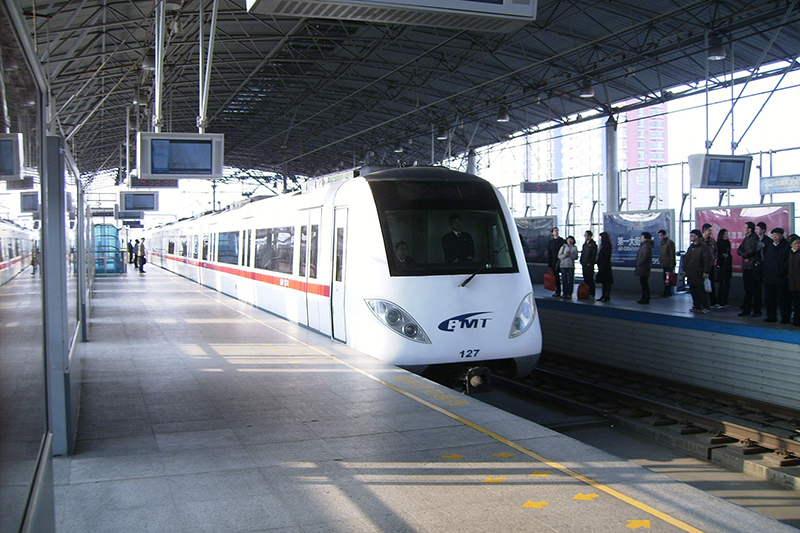
In Tianjin, China, targeted safe mobility investments around the metro increased ridership by up to 85%. Measures like protected crossings, well-lit sidewalks, cycle lanes, and integrated bus–metro–bike hubs, protecting first and last mile journeys, boosted demand. The report also models a bus rapid transport system (BRT) in West Africa. Even modest ridership increases, generated by safer and more convenient access, are predicted at up to 7% annually.
Road safety measures also improve projected internal rate of return and payback, while enhancing operations reliability, and reducing claims and disruption costs. Embedding safe connectivity and accessibility into the design and financing of sustainable transport assets deliver a triple dividend: higher and more resilient revenues, reduced operational and liability risks, and more equitable access.
Louis Downing, CEO of GIB, said: “Markets scale what they can measure and trust. By setting safety targets up front, linking finance to verified performance, and adopting transparent, comparable metrics, this report shows how road safety becomes investable—reducing crashes and claims, improving reliability, and strengthening long‑term value.”
Avi Silverman, Deputy Director of the FIA Foundation, said: “Everyone deserves safe journeys, no matter where in the world we live. Despite the moral imperative to protect and save lives, too often financing for safe roads is not available at the levels required. This report seeks to bridge the gap, mobilising finance for road safety by presenting the case for a compelling return on investment. Those investing in infrastructure around the world should take note, both for their own financial interests and to save lives.”
Thierry Déau, Chairman of FAST-Infra Group, Founder and CEO of Meridiam, added: “For investors and asset managers, road safety must evolve from a reputational add-on to a measurable performance variable embedded in procurement, financing, and management of the assets. When safety is internalised, it becomes a source of value: reducing accident risk, insurance exposure, litigation costs, reputational liability, and costly retrofits. It also strengthens the social license of infrastructure, an increasingly non-negotiable dimension of long-term finance.”


