IIHS safety ratings adopted as benchmark for U.S. fleets using the FIA Road Safety Index

The FIA Road Safety Index will now include Insurance Institute for Highway Safety (IIHS) vehicle safety awards as the safety benchmark for U.S. commercial fleets, strengthening vehicle safety in workplaces where road crashes are the leading cause of occupational death.
The partnership was announced at the Transportation Research Board (TRB) Annual Meeting in Washington, DC, at a reception co-hosted by the FIA Foundation and the Johns Hopkins Bloomberg School of Public Health.
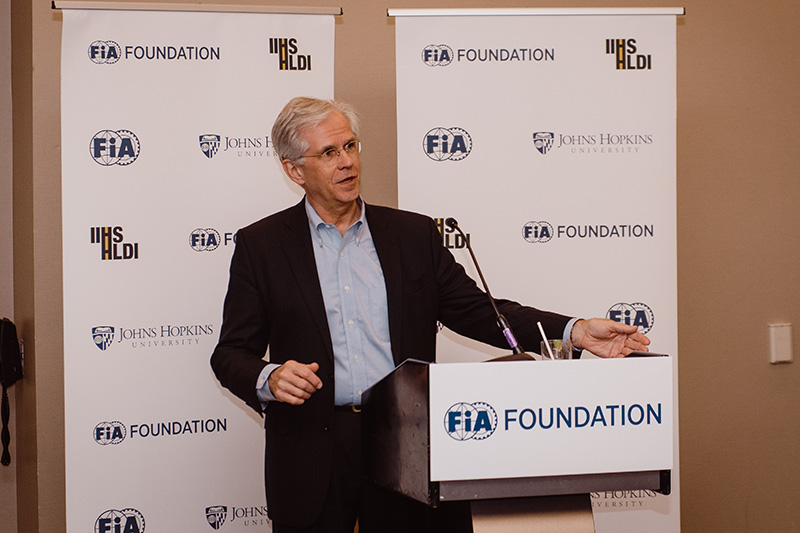
The new criteria means that U.S. organisations seeking the highest FIA Road Safety Index rating must ensure that new passenger fleet vehicles have earned IIHS TOP SAFETY PICK awards, and that trailers have earned IIHS TOUGHGUARD recognition.
Transportation accounts for 38% of workplace fatalities in the United States - higher than the global average of approximately 30%. The revised criteria supports employers in improving safety by aligning fleet procurement with independent, evidence-based vehicle standards.
David Harkey, IIHS President, highlighted the power of partnerships to address both urgency and opportunity on U.S. roads. “The partnership we’re announcing today comes at a critical juncture for road safety in the United States,” Harkey said. “Our coveted TOP SAFETY PICK and TOP SAFETY PICK+ awards set the bar for passenger vehicle safety in the United States. Adding the Institute’s trusted ratings to the FIA Road Safety Index will give businesses a clear roadmap for investing in safer fleets to protect their employees, communities, and the bottom line.”
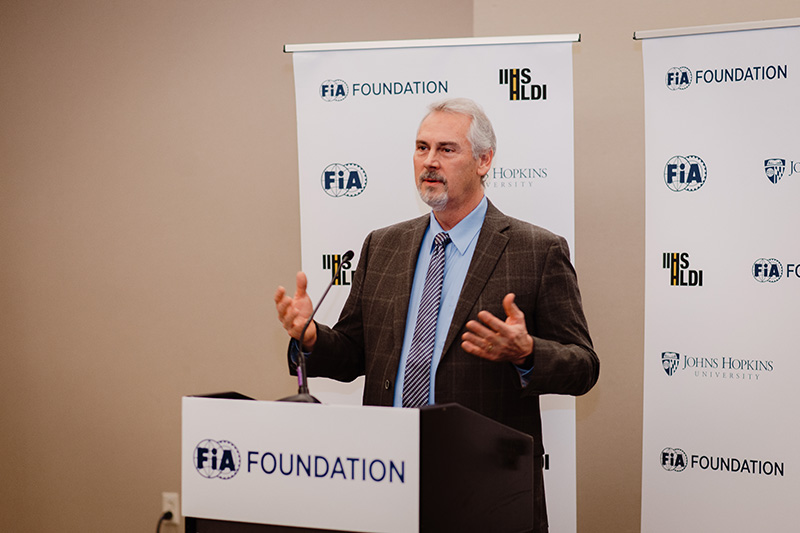
Since 2006, IIHS has awarded TOP SAFETY PICK status to vehicles demonstrating strong performance in crashworthiness and crash avoidance. TOUGHGUARD, introduced in 2017, recognises trailers fitted with effective rear underride protection. IIHS is expanding its ratings to include delivery vans, Class 3 pickups and larger commercial vehicles, and will add side underride protection to TOUGHGUARD criteria.
Luca Pascotto, FIA Head of Road Safety & Global Advocacy, said, “By integrating trusted vehicle safety benchmarks, the Road Safety Index helps U.S. organizations go beyond minimum standards and take a more comprehensive approach to protecting employees and other road users.”

Developed by the FIA with the support of independent philanthropy the FIA Foundation, the Road Safety Index provides a data-driven methodology to assess, manage, report and improve organisational road safety performance. U.S.-based organisations including Amazon, Uber and 3M are already applying the Index methodology.
The reception brought together high level leaders across sectors, including Lorraine Martin, President and CEO of the National Safety Council; Adrian Lund, former President of IIHS; former Seattle Mayor Mike McGinn; and current and former government representatives at the forefront of transportation safety and public health.

Opening the event, FIA Foundation North America Director and United Nations Representative Natalie Draisin (see main image) highlighted the role of strong institutions in improving road safety outcomes and continuing alignment between Safe System principles and federal investment across administrations. “Companies have both the responsibility and the ability to choose safer vehicles, go beyond minimum regulations, and be transparent about how they manage road risk,” she said. “This collaboration makes it easier to invest in safer fleets and strengthens accountability across operations and supply chains.”
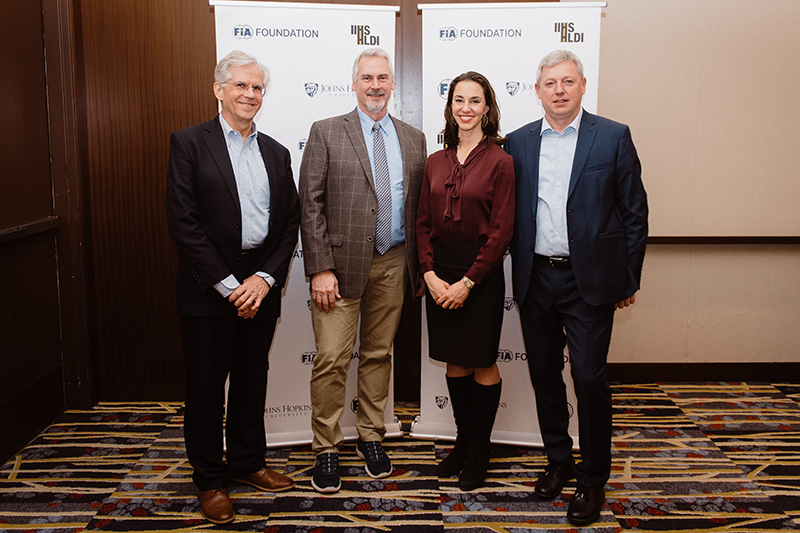
Harkey concluded by underscoring the shared responsibility of institutions and employers in advancing fleet safety. “Together, IIHS, FIA, and the FIA Foundation will empower businesses in the United States to make choices that save lives,” he said.
The adoption of IIHS safety awards follows a similar approach used by the FIA Road Safety Index in Europe, where Euro NCAP ratings for cars, vans and trucks inform fleet procurement policies. In the U.S., integrating IIHS awards is expected to play a comparable role in raising fleet safety standards and supporting broader road safety objectives.


